Get Residential Tree Service
Residential Tree Service providers handle tree trimming, removal, pruning, and health assessments to address hazards, improve safety, and maintain property appearance.
Property owners exploring residential tree services often seek professional assistance to maintain the health, safety, and appearance of their trees. Whether planning routine pruning, removal of hazardous branches, or complete tree removal, working with experienced local contractors can ensure the work is done effectively and safely. Comparing nearby service providers helps property owners find the right solutions tailored to their specific needs, making it easier to manage landscape maintenance and improve curb appeal.
Choosing the right local contractors for residential tree work involves considering the scope of the project and the expertise available in the area. Property owners are encouraged to review options, evaluate the range of services offered, and determine which providers have the experience to handle their trees with care. Continuing through this page can help identify qualified service providers ready to assist with a variety of tree-related projects.
- Tree trimming - needed when overgrown branches threaten property or obstruct views.
- Tree removal - necessary when a tree is dead, diseased, or poses a safety risk.
- Stump grinding - required after tree removal to clear the area and prevent hazards.
- Emergency tree services - needed during storms or severe weather to address fallen or damaged trees.
- Pruning services - recommended for maintaining tree health and encouraging proper growth.
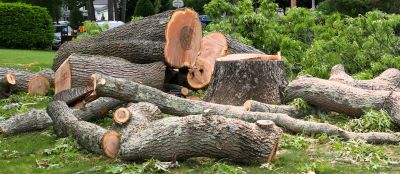
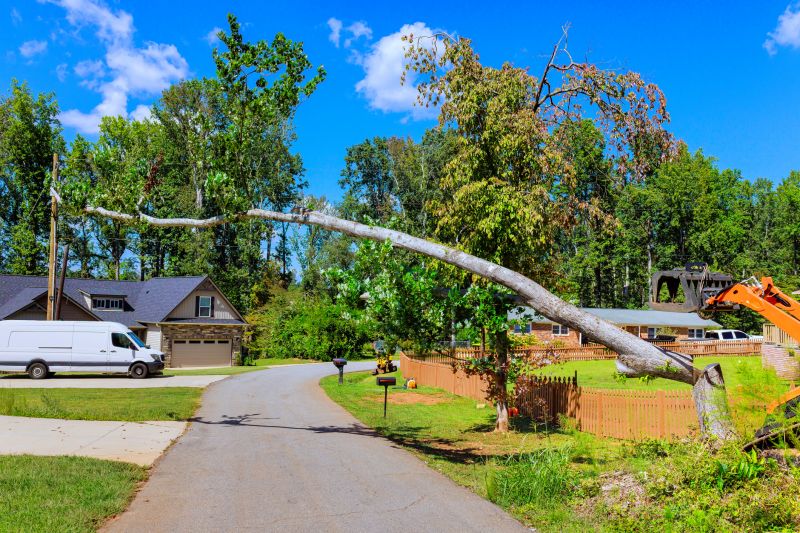
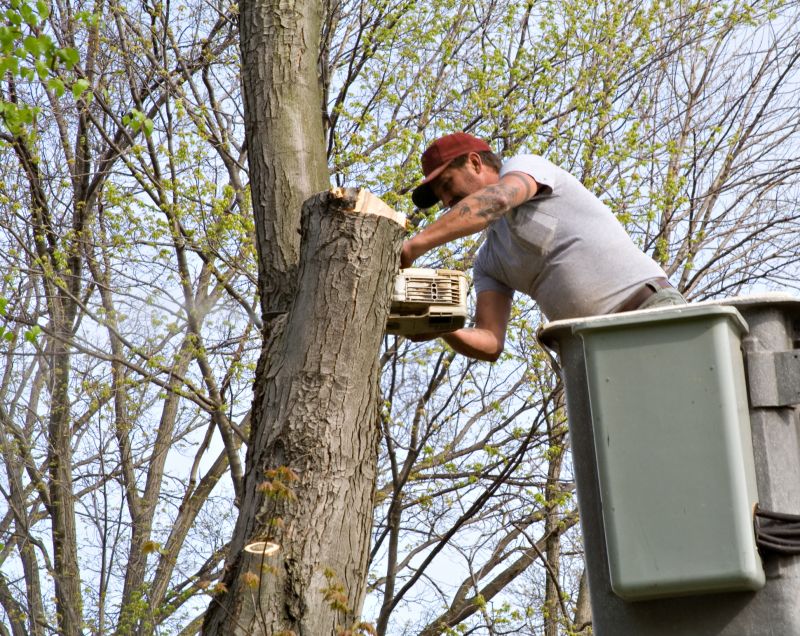
Residential tree services encompass a range of professional work aimed at maintaining, removing, or caring for trees on private properties. These services typically include tree trimming and pruning to promote healthy growth and improve appearance, as well as tree removal when a tree becomes dead, diseased, or poses a hazard. Additionally, services may involve stump grinding and root management to prevent damage to structures or underground utilities. Skilled contractors utilize the appropriate tools and techniques to ensure that tree work is performed safely and efficiently, helping homeowners manage their landscape and protect their property.
Many common problems can be addressed through residential tree services. Overgrown branches can obstruct views, block sunlight, or interfere with power lines, creating safety hazards or aesthetic concerns. Diseased or damaged trees may weaken over time, increasing the risk of falling and causing property damage or injury. In some cases, trees may be leaning dangerously or have compromised roots, necessitating removal to prevent accidents. These services help homeowners mitigate risks, improve the health of their trees, and maintain a safe, attractive outdoor environment.
Properties that typically utilize residential tree services include single-family homes, multi-unit residential buildings, and private estates. Urban and suburban neighborhoods often require regular tree maintenance to ensure safety and enhance curb appeal. Larger properties with extensive landscaping may need ongoing care to manage multiple trees and prevent potential hazards. Even properties with mature trees can benefit from professional pruning or removal services to address specific issues. Overall, any homeowner who notices problematic or aging trees on their property can benefit from the expertise of local contractors skilled in residential tree work.
Homeowners might consider residential tree services when they notice signs of trouble such as dead or dying branches, cracks in the trunk, or leaning trees. Storm damage, pest infestations, or disease can also compromise tree health, making professional assessment and intervention necessary. Additionally, planning for landscape upgrades or clearing space for new construction may require tree removal or pruning. By connecting with experienced local service providers, homeowners can ensure that their trees are properly cared for, enhancing safety and the overall appearance of their property.
The overview below groups typical Residential Tree Service projects into broad ranges so you can see how smaller, mid-sized, and larger jobs often compare in your area.
In many markets, a large share of routine jobs stays in the lower and middle ranges, while only a smaller percentage of projects moves into the highest bands when the work is more complex or site conditions are harder than average.
Small Tree Trimming - Most routine trimming jobs for small trees typically cost between $250 and $600. Many projects fall within this range, depending on the size and number of trees involved. Larger or more complex small tree jobs may cost more.
Large Tree Removal - Removing a mature, large tree can range from $1,000 to $3,500 or more. These projects tend to be less common but are necessary for safety or property management. The final price depends on tree size, location, and complexity.
Stump Grinding - Stump removal services generally cost between $100 and $400 per stump. Many projects are within this range, but larger stumps or those in difficult locations can push costs higher. Multiple stumps may be discounted when done together.
Full Tree Service - Complete tree care packages, including trimming, removal, and cleanup, often range from $500 to $5,000+. Most routine projects stay in the middle of this range, while extensive or multi-tree jobs can reach the higher end depending on scope and site conditions.
Actual totals will depend on details like access to the work area, the scope of the project, and the materials selected, so use these as general starting points rather than exact figures.
Stump Grinding - professionals who handle stump removal and grinding often use similar tools and planning as tree removal services to clear the landscape effectively.
Tree Pruning and Trimming - local contractors skilled in pruning utilize comparable techniques and equipment to maintain tree health and shape residential trees.
Emergency Tree Care - service providers experienced in storm damage cleanup and urgent tree removal employ planning and tools similar to standard tree services.
Land Clearing - contractors specializing in clearing overgrown lots or preparing land for development use similar planning and equipment as residential tree services.
Tree Cabling and Bracing - professionals who install support systems for weak or hazardous trees apply similar assessment skills and tools as those used in tree removal.
Root Barrier Installation - experts installing barriers to prevent root intrusion work with planning and tools akin to those used in tree and landscape management.
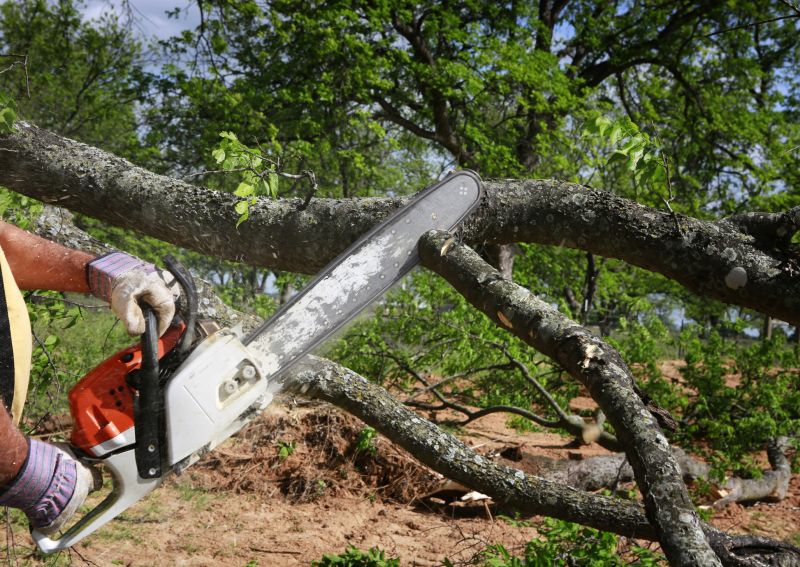
When comparing residential tree service providers, it’s important to consider their experience with similar projects. Homeowners should look for local contractors who have a proven track record of handling the types of tree work needed, whether that involves pruning, removal, or health assessments. An experienced service provider will be familiar with the specific challenges that can arise in residential settings and can offer insights based on past work, helping to ensure the job is completed efficiently and effectively.
Clear, written expectations are essential to avoid misunderstandings and ensure everyone is on the same page. When evaluating local pros, it’s helpful to request detailed descriptions of the scope of work, the methods they plan to use, and any important considerations specific to the project. Reliable service providers will be transparent about their process and provide documentation that outlines what will be done, so homeowners can make informed decisions and feel confident about the work being performed.
Reputable references and good communication are key indicators of a trustworthy local contractor. Homeowners should seek out service providers who can provide references from previous clients or examples of completed projects similar to their own. Additionally, effective communication-such as responsiveness to questions and clarity in explanations-can make the process smoother. An accessible, professional contractor who listens and provides clear information can help ensure the project progresses without surprises, making it easier to select a dependable partner for residential tree services.
Property owners use Residential Tree Service services for practical projects around their homes and businesses. This guide focuses on everyday jobs and straightforward project options.
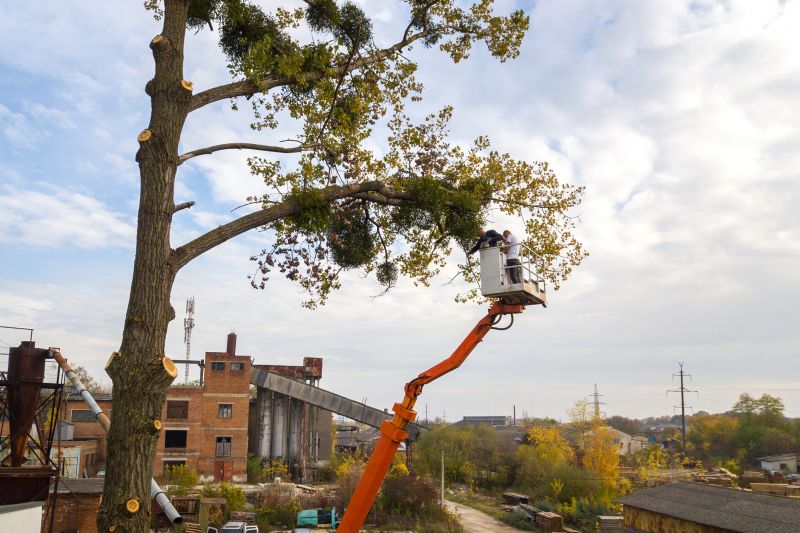
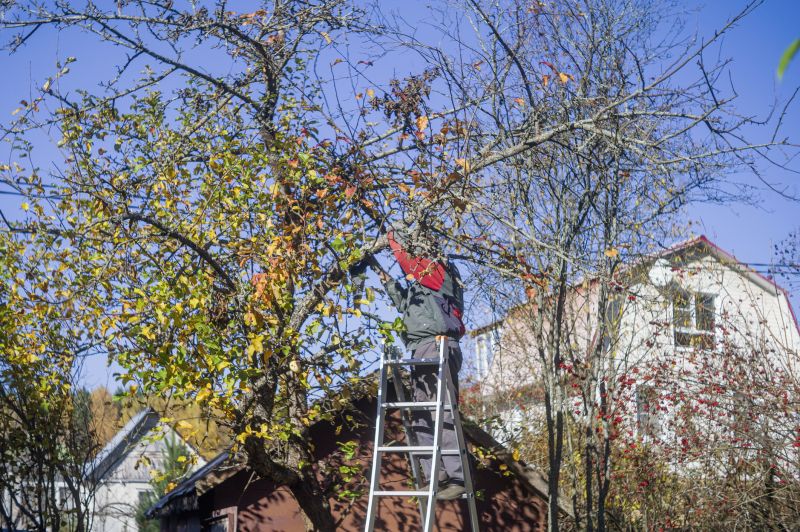
Residential property owners often seek tree services to address common concerns such as overgrown branches that interfere with power lines or obstruct sunlight. Additionally, homeowners may need to remove damaged or diseased trees to prevent potential hazards or property damage. Local contractors can provide the expertise needed to safely trim, prune, or remove trees, helping to maintain the safety and appearance of a yard or outdoor space.
Other situations that prompt the need for tree services include preparing a property for new construction or landscaping projects, as well as clearing fallen or hazardous branches after storms. Property owners might also look for tree services to improve the health of their trees through proper pruning or to remove deadwood that could pose a risk. Local service providers are available to assist with these everyday projects, ensuring that trees are cared for and managed effectively.
What types of residential tree services are available? Local contractors typically offer services such as tree trimming, pruning, removal, and stump grinding to help maintain the health and safety of trees on residential properties.
How can I determine if a tree needs professional care? Signs include dead or broken branches, leaning trees, or visible damage; local service providers can assess trees to recommend appropriate actions.
What should I consider when choosing a tree service provider? It’s important to look for experienced local contractors with good reputation and proper equipment to handle your specific tree care needs.
Are there specific permits required for tree removal or trimming? Permit requirements vary by location; local service providers can advise on any necessary permissions before starting work.
What safety precautions do local pros follow during tree work? Professional contractors typically follow safety guidelines, use proper equipment, and implement safety measures to protect property and people during services.
Tree Trimming and Pruning - Regular trimming helps maintain the health and appearance of trees around the property, ensuring they do not interfere with power lines or structures.
Emergency Tree Removal - Local contractors can assist with removing fallen or hazardous trees after storms or severe weather events to keep the property safe.
Stump Grinding Services - Removing tree stumps can improve yard safety and expand usable space for landscaping or outdoor activities.
Tree Health Assessments - Professionals can evaluate trees for signs of disease or pest issues, helping property owners plan necessary treatments or removals.
If you are thinking about Residential Tree Service for a property, this guide is meant to help you understand the work, the typical project types, and how different options might fit your plans.
When you are ready, you can use the quote form on this page to share a few details about your project. From there, local pros can review the basics and respond with options that match what you have in mind.